

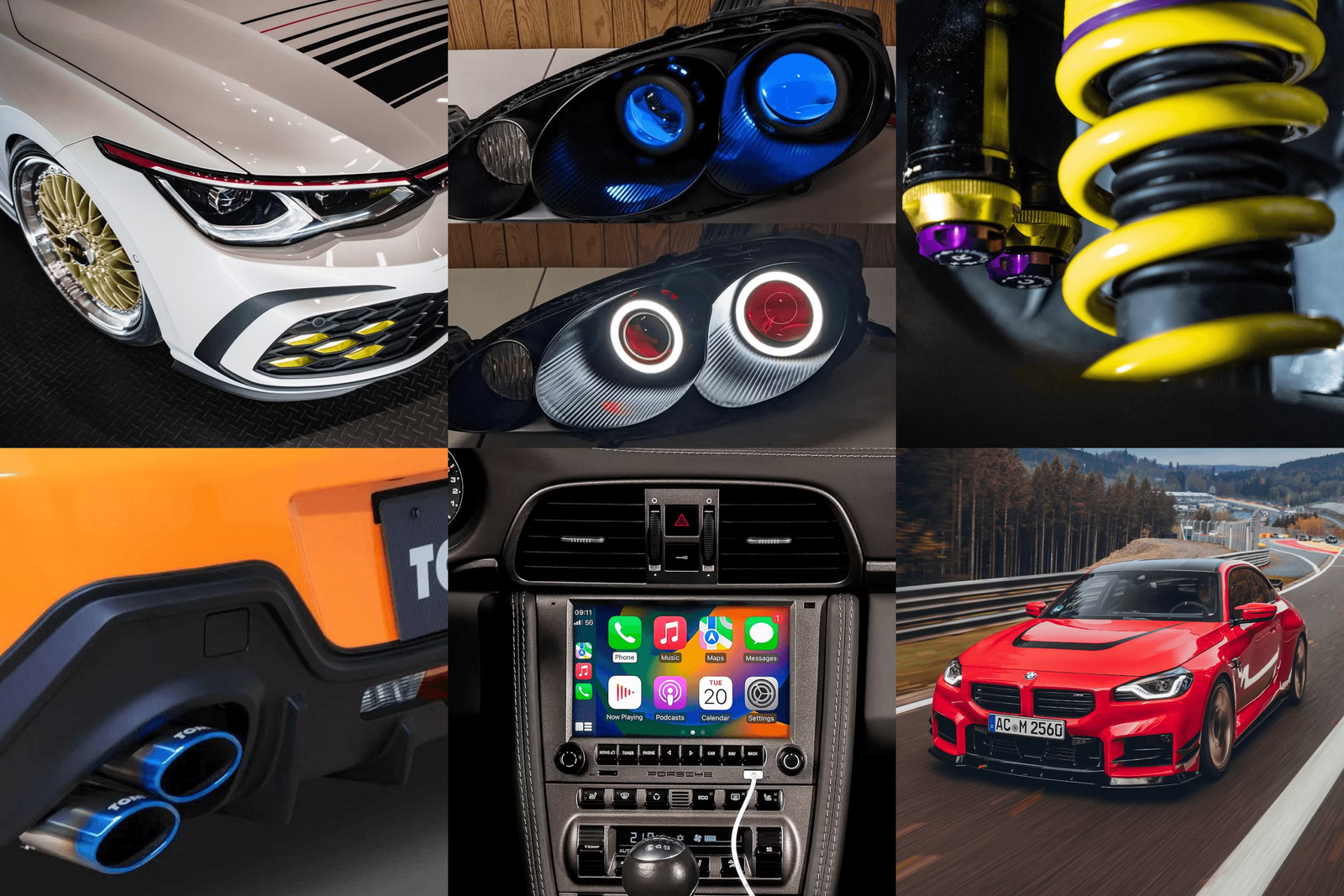
Car modifications can make a vehicle look better, sound more aggressive, or even improve its performance. From upgraded wheels to powerful exhaust systems, there are countless ways to customize a car. However, not every modification is beneficial. Some changes can create mechanical problems, reduce safety, increase running costs, or even cause legal issues.
Before modifying your vehicle, it is important to understand the potential disadvantages. Here are five common car modifications that can cause problems if they are poorly designed, incorrectly installed, or unsuitable for the vehicle.
- Lowering the Suspension
Lowering a car can give it a sportier appearance and may reduce body roll during cornering. However, lowering the suspension too much can create several problems.
A vehicle that sits extremely low has less ground clearance, making it easier for the underbody, exhaust system, or suspension components to hit speed bumps, potholes, and uneven roads. Excessive lowering can also change suspension geometry and lead to uneven tire wear.
If the modification is not properly engineered, it can negatively affect ride comfort and handling. In extreme cases, suspension components may become overloaded or damaged.
Potential problems include:
Reduced ground clearance
Uneven tire wear
Poor ride comfort
Suspension damage
Changes in handling and steering
Difficulty passing certain road inspections
A moderate, professionally installed suspension upgrade is generally safer than an extreme drop.
- Oversized Wheels and Tires
Large wheels can dramatically change the appearance of a car. Many owners install bigger wheels because they want a more aggressive or sporty look. However, fitting wheels and tires that are too large can cause unexpected problems.
Oversized wheels are often heavier than the original equipment. Additional unsprung weight can affect acceleration, braking, ride quality, and suspension performance. Low-profile tires also provide less cushioning against potholes and rough roads.
There can also be clearance problems. If the wheel and tire combination is not properly matched to the vehicle, the tires may rub against the wheel arches or suspension components.
Potential problems include:
Reduced ride comfort
Increased risk of wheel or tire damage
Tire rubbing
Heavier steering
Increased suspension wear
Potential changes to speedometer accuracy
Choosing the correct wheel width, diameter, offset, and tire size is essential when upgrading wheels.
- Extremely Loud Exhaust Systems
A performance exhaust can improve the sound of a car and, depending on the system, may provide performance benefits. The problem starts when owners remove important exhaust components or install systems designed primarily for maximum noise.
An excessively loud exhaust can become unpleasant during everyday driving and may attract unwanted attention. In some areas, modified exhaust systems can also violate noise or emissions regulations.
Removing emissions-control equipment can be particularly problematic because these components are designed to reduce harmful pollutants. A poorly designed exhaust can also create unwanted drone inside the cabin.
Potential problems include:
Excessive cabin noise
Exhaust drone
Legal or inspection problems
Increased emissions
Poor low-speed drivability
Potential engine-management issues
A properly designed performance exhaust should balance sound, performance, emissions requirements, and everyday comfort.
- Cheap or Poorly Installed Engine Modifications
Engine modifications can produce impressive performance gains, but they can also create serious mechanical problems when done incorrectly.
Performance tuning, turbocharger upgrades, aggressive engine maps, and other modifications can increase power and stress on the engine, transmission, cooling system, and drivetrain. If supporting components are not upgraded appropriately, reliability may suffer.
Cheap tuning software can be especially risky. An overly aggressive engine tune may increase temperatures, cylinder pressures, or fuel requirements beyond what the factory components were designed to handle.
Potential problems include:
Engine overheating
Increased component wear
Transmission problems
Reduced fuel economy
Engine warning lights
Premature engine failure
Performance modifications should be matched to the vehicle and installed or calibrated by someone with the appropriate technical expertise.
- Improper Lighting Modifications
Upgrading headlights or adding aftermarket lighting can improve visibility and give a car a distinctive appearance. However, poorly installed or incorrectly aimed lights can create safety problems.
Extremely bright bulbs or incorrectly positioned LED conversions can produce excessive glare for other drivers. Some aftermarket lighting products may also have poor beam patterns, meaning they illuminate the road less effectively than expected.
Interior and exterior decorative lighting can also become a problem if wiring is poorly installed. Improper electrical connections can cause blown fuses, battery drain, or, in serious cases, electrical damage.
Potential problems include:
Glare for other drivers
Poor nighttime visibility
Electrical problems
Battery drain
Damaged wiring
Possible compliance issues
Lighting upgrades should be compatible with the vehicle’s original lighting system and correctly aligned after installation.
How to Avoid Problems With Car Modifications
Car modifications are not necessarily bad. In fact, well-designed modifications can improve a vehicle’s appearance, performance, comfort, or functionality. The key is choosing parts that are appropriate for the car and having them installed correctly.
Before making a modification, consider:
Safety: Could the modification affect braking, steering, suspension, visibility, or stability?
Compatibility: Is the part designed for your specific vehicle?
Quality: Is the component from a reputable manufacturer?
Installation: Does it require professional installation or calibration?
Maintenance: Will the modification increase wear or maintenance requirements?
Legal requirements: Does the modification comply with local vehicle regulations?
Insurance: Could the modification affect your insurance coverage?
Final Thoughts
Modifying a car can be an enjoyable way to personalize it, but appearance and performance should never come at the expense of safety or reliability. Excessively lowered suspension, oversized wheels, extremely loud exhausts, poorly executed engine upgrades, and improper lighting modifications can all create problems when they are chosen or installed without sufficient planning.
The best modifications are those that complement the vehicle rather than compromise it. By selecting quality components, maintaining proper specifications, and using experienced installers when necessary, drivers can enjoy a customized car without creating unnecessary mechanical or safety problems.