

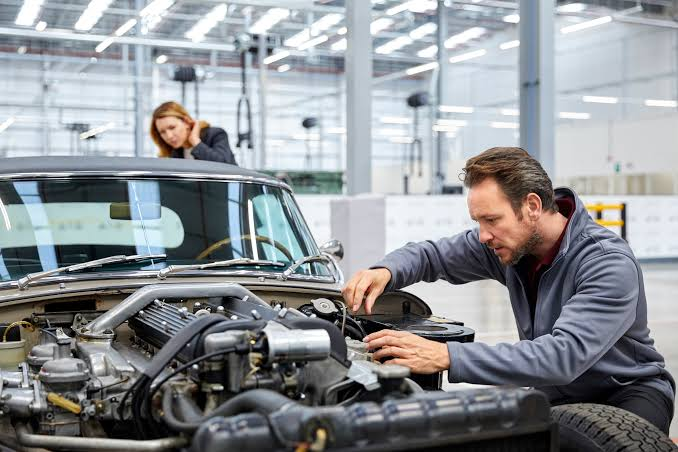
Modifying a car can be an exciting way to improve its appearance, performance, and driving experience. Whether you install larger wheels, upgrade the suspension, add an aftermarket exhaust, or tune the engine, modifications can make your vehicle feel more personal and unique.
However, modifications can also introduce problems if the parts are incompatible, installation is poor, or the changes go beyond what the vehicle was designed to handle. Understanding these common issues can help car owners make better decisions and avoid expensive repairs.
- Uneven Tire Wear
One of the most common problems after modifying a car is uneven tire wear. Changes to suspension height, wheel size, or alignment can alter how the tires contact the road.
A lowered vehicle, for example, may develop incorrect suspension geometry. This can cause the inside or outside edges of the tires to wear faster than the rest of the tread.
Regular wheel alignment checks are especially important after suspension or wheel modifications.
- Reduced Ride Comfort
Performance-oriented modifications often come with a trade-off in comfort. Stiffer springs, sports suspension, low-profile tires, and larger wheels can make a car feel less comfortable on rough roads.
Drivers may notice more vibration, road noise, and harsh impacts when driving over potholes or uneven surfaces.
A modification that improves handling on smooth roads may therefore make everyday driving less pleasant.
- Suspension and Steering Problems
Changing the suspension or installing larger and heavier wheels can place additional stress on suspension and steering components.
Bushings, ball joints, wheel bearings, tie rods, and other components may experience increased wear depending on the modification.
Drivers should pay attention to symptoms such as:
Steering vibration
Knocking or clunking noises
Uneven tire wear
Pulling to one side
Loose or unusual steering feel
Ignoring these signs can allow a relatively small problem to become an expensive repair.
- Engine Overheating
Performance modifications can increase the demands placed on an engine. Turbocharger upgrades, aggressive engine tuning, and other power-enhancing modifications may generate additional heat.
If the cooling system is not capable of handling the increased workload, the engine may run hotter than normal.
Overheating can cause serious damage, so drivers should monitor coolant temperatures and investigate any warning signs promptly.
- Reduced Fuel Economy
Not every modification improves fuel efficiency. Larger wheels, wider tires, aggressive engine tuning, and performance-oriented driving can increase fuel consumption.
Some engine modifications may also require different fuel or calibration. If the engine is not properly tuned after a modification, fuel economy and drivability can suffer.
A sudden drop in fuel economy after a modification is worth investigating rather than simply accepting as normal.
- Check Engine or Warning Lights
Aftermarket engine components and electronic modifications can sometimes trigger warning lights.
Changes to the intake, exhaust, sensors, fuel system, or engine-management software may interfere with the vehicle’s original calibration.
A warning light should not automatically be ignored because the car has been modified. It may indicate a genuine mechanical or electronic problem.
Getting the vehicle scanned for diagnostic trouble codes can help identify the cause.
- Increased Road Noise and Vibration
Some modifications make a car louder or transmit more vibration into the cabin.
Performance exhaust systems, solid engine mounts, low-profile tires, stiff suspension, and certain drivetrain modifications can all increase noise or vibration.
While some enthusiasts enjoy a more aggressive driving experience, excessive vibration can make long-distance driving uncomfortable and may indicate that a component is incorrectly installed.
- Parts Rubbing or Clearance Problems
Installing larger wheels, wider tires, or lowering a vehicle can create clearance problems.
Tires may rub against the wheel arches, suspension components, or inner bodywork, particularly when turning sharply or carrying passengers and cargo.
Even occasional rubbing should be addressed because it can damage the tire or surrounding components.
- Electrical Problems
Aftermarket lighting, audio systems, alarms, cameras, and other electrical accessories can cause problems when they are poorly wired.
Common symptoms include:
Blown fuses
Battery drain
Flickering lights
Electrical warning messages
Malfunctioning accessories
Damaged wiring
Using proper wiring, connectors, fuses, and installation methods can greatly reduce these risks.
- Insurance and Inspection Problems
Car modifications can sometimes affect insurance coverage or vehicle inspection requirements.
Certain modifications may need to be declared to an insurer, while some changes may not meet local road or emissions requirements.
Before making significant modifications, owners should understand the rules that apply to their vehicle and location.
How to Prevent Problems After Modifying Your Car
The best way to avoid modification-related problems is to plan before installing anything.
Choose components designed for your specific vehicle, avoid extremely cheap parts of questionable quality, and use qualified professionals for complex installations.
It is also important to inspect the car after modification. Check tire wear, fluid levels, suspension components, warning lights, and unusual noises regularly.
Most importantly, remember that modifications often affect other parts of the vehicle. Increasing engine power, for example, may also increase demands on the transmission, cooling system, brakes, and drivetrain.
Final Thoughts
Car modifications can make a vehicle more enjoyable, attractive, and capable, but they should be approached carefully. Uneven tire wear, reduced comfort, suspension problems, overheating, poor fuel economy, warning lights, electrical faults, and clearance issues are all possible when modifications are poorly selected or installed.
A well-planned modification should improve the vehicle without unnecessarily compromising its reliability or safety. Quality parts, correct installation, regular inspections, and responsible tuning can help you enjoy your modified car while minimizing unwanted problems.